I've always been fascinated by the potential of virtual and mixed reality. The idea of seamlessly blending the digital and physical worlds is incredibly exciting. But lately, I've been thinking a lot about the practicalities. How accessible is this technology really? And more importantly, how comfortable is it to use for extended periods?
I was recently looking into getting a new XR headset, excited about the possibilities. However, I quickly realized that many of the available options were just not feasible for me. I was initially drawn in by the immersive experience. I imagined myself working, playing, and connecting with others in entirely new ways. Then, the price tags hit me. Some of these devices cost thousands of dollars! That's more than I paid for my laptop!
And it wasn't just the price. I also started reading reviews and watching videos, and I was surprised to see many people complaining about the weight and bulkiness of these headsets. The idea of wearing something heavy and uncomfortable on my face for hours on end just didn't appeal to me. I started wondering if there were better, more practical alternatives. Is it possible to enjoy some of the benefits of XR without breaking the bank or sacrificing comfort?
I think one of the biggest obstacles to widespread adoption of XR technology is the price. I believe that if these headsets were available for around $1000 or less, they would be much more accessible to the average consumer. As it stands, they feel more like luxury items than essential tools. The high cost makes it difficult for many people to justify the purchase, even if they are genuinely interested in the technology.
I recall thinking, "£1500 and then I might consider it!" The price really does need to come down significantly before I'd be ready to invest. It feels like some companies are trying to market these devices as status symbols rather than practical tools for everyday use. This approach might appeal to a small segment of the market, but it ultimately limits the potential for mass adoption. I realized that the people in charge might not understand that people don't have as much disposable income anymore.
Beyond the cost, the comfort factor is also a major concern. I've heard so many people complain about the weight and bulkiness of XR headsets. Spending over £1500 on something too heavy to use comfortably for extended periods seems pointless. I started to ask myself, "If I were to buy one, I'd want it to be a sixth of the weight, and a fourth of the cost."
I started looking for lighter alternatives that could provide similar benefits without the discomfort. This led me to discover a range of anti-blue light glasses, which are designed to reduce eye strain and fatigue caused by prolonged screen use. While they don't offer the same immersive experience as XR headsets, they do provide a practical and affordable way to improve my digital well-being.
I decided to try a pair of anti-blue light glasses, and I've been pleasantly surprised by the results. I spend a lot of time working on my computer, and I've noticed a significant reduction in eye strain and headaches since I started wearing them. It's not the same as stepping into a virtual world, but it's a tangible improvement to my daily life.
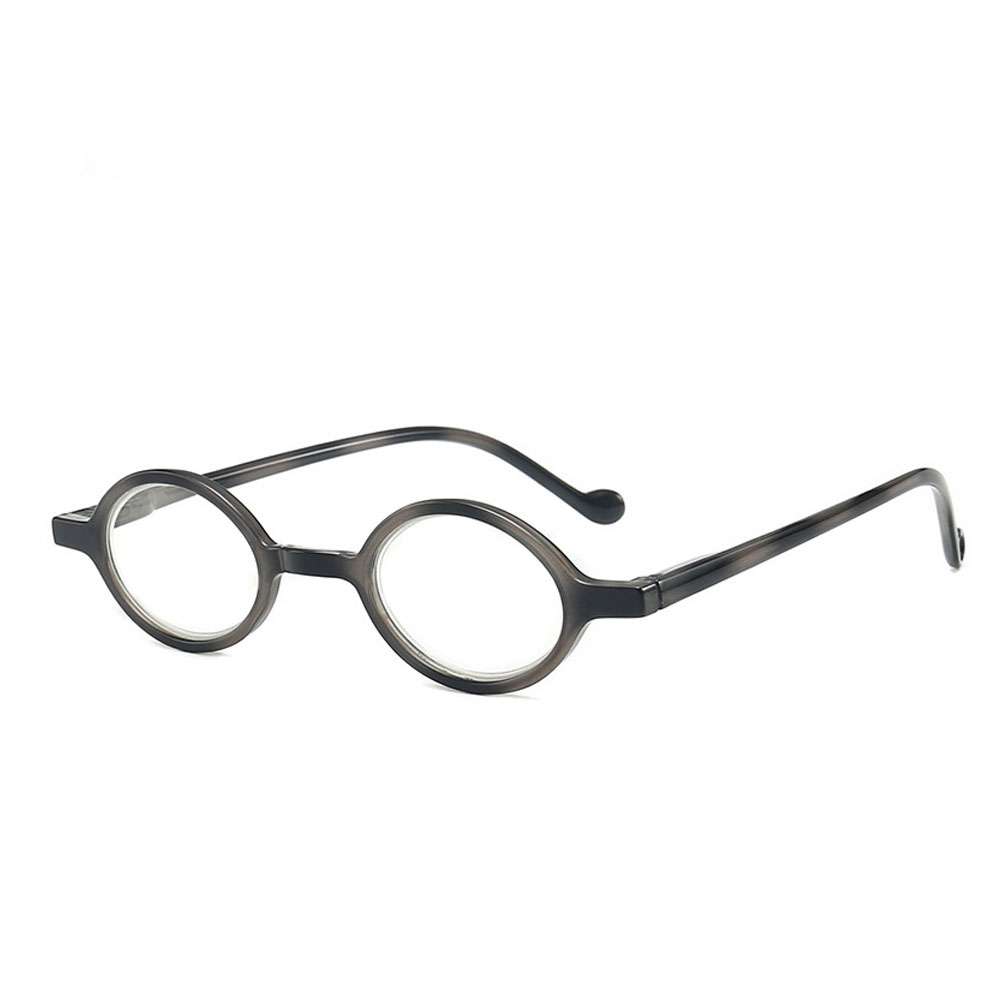
Specifically, I tried the homepage of Mozaer glasses. I have been spending hours in front of screens. I wanted a stylish and functional solution. I found a pair of Retro Round Anti Blue Light Reading Glasses that fit the bill perfectly. They're lightweight, comfortable, and they actually look good. The small oval frame is a nice touch, and they're available in different magnifications, which is great for reading. I can now work for longer periods without experiencing eye fatigue. I also tried a similar product from another brand. The Mozaer glasses felt a lot more durable and stylish.
For better results, check out Mozaer's Retro Round Anti Blue Light Reading Glasses. They are designed to block harmful blue light emitted from screens, reducing eye strain and improving sleep quality. The glasses have an ultralight small oval frame, making them comfortable to wear for extended periods. They come in various magnification options, catering to different presbyopic needs. The black frame adds a touch of retro style, making them a fashionable accessory.
Here are some practical tips that I've found helpful for managing digital eye strain: